



Our Aim

Our aim is to increase the quality and efficiency of the Museum für Naturkunde Berlin’s Public Engagement, thus contributing to the museum’s academic, societal and environmental impact. We are doing this through research, impact planning and assessment, as well as culture change and co-creation processes.

What is our understanding of Public Engagement?

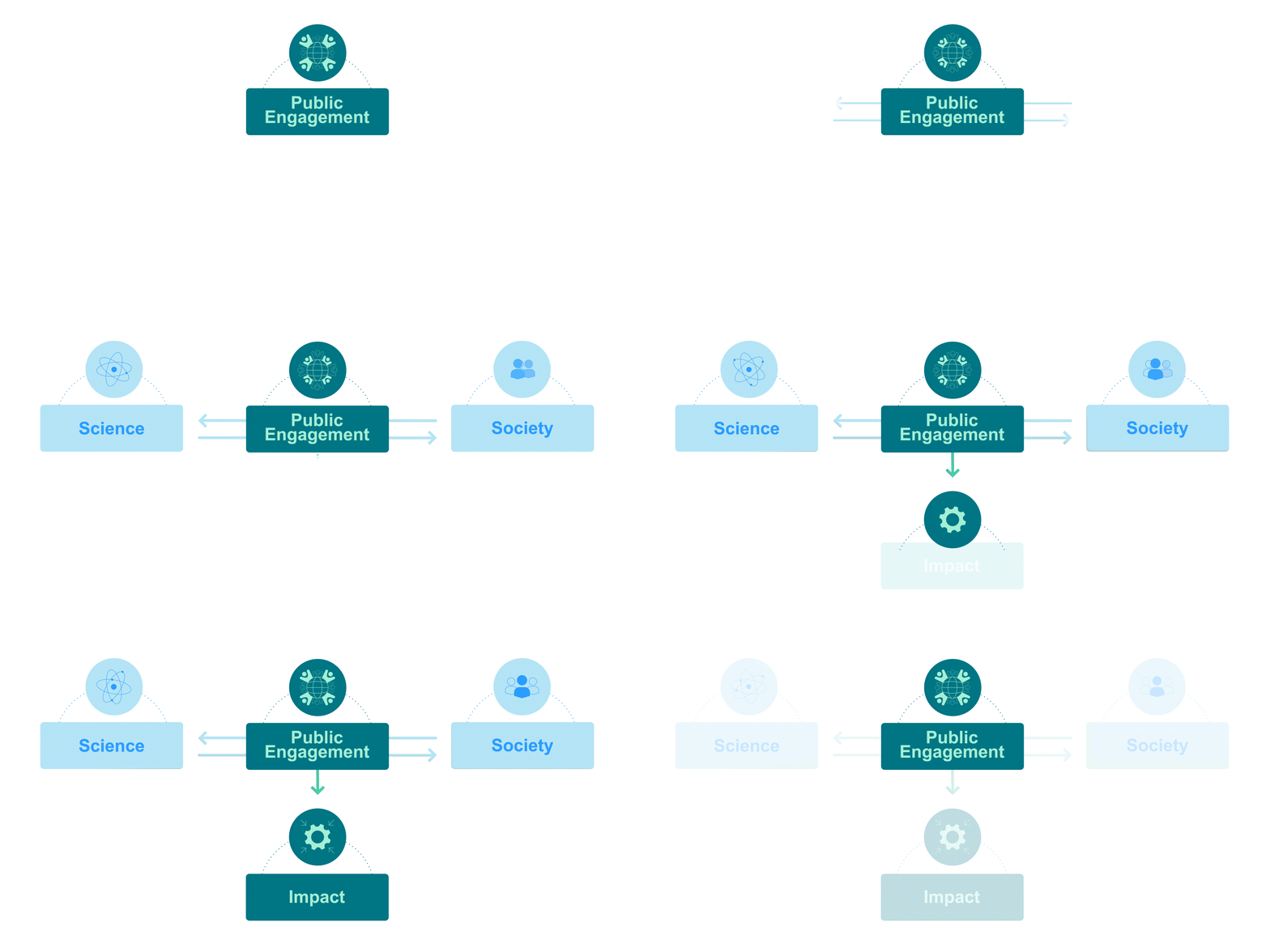
Public Engagement (PE) activities can actively and continuously involve anyone in our society, regardless of identity or background, particularly those with an interest in or connection to the topic. This aims to enrich the discourse around research topics with lived experience and valuable societal perspectives outside of academia. These contributors can be citizens, experts, NGOs, schools, children, associations, politicians or companies, to name just a few examples. Through PE, researchers, students, professors and representatives of research institutions enter into an equitable exchange with these communities. PE is an English language term that has become established internationally. By focusing on mutual benefit and exchange supporting society-oriented research, PE clearly differs from other forms of science communication. PE describes a field in the German research landscape, the practice of exchange between researchers and the public, and stands for the attitude that research and society benefit from mutual interaction.

Source: Public Engagement Principles, 2023. Joint publication between: Berlin School of Public Engagement and Open Science – Public Engagement & Impact Unit of the Museum für Naturkunde Berlin, Cyber Valley, and the German community.

What is our understanding of Impact?

Broader or longer-term changes or effects resulting from a project’s activities. These effects and changes can have different impact spheres (e.g. societal, social, environmental, political, health, economic, cultural)*.

*Adapted from: your project and its outcomes, 2007. By Sally Cupitt with Jean Ellis for Charities Evaluation Services.

Our Objectives

Further align MfN’s Public Engagement with academic, societal, and environmental impact goals

Support the design of MfN’s Public Engagement initiatives that are impact-oriented

Explicitly include Public Engagement into the strategies of research institutions and career paths

Contribute to impact optimisation through research, best-practices, culture change, co-creation and multi-stakeholder processes.


IETI Work Packages (WPs)

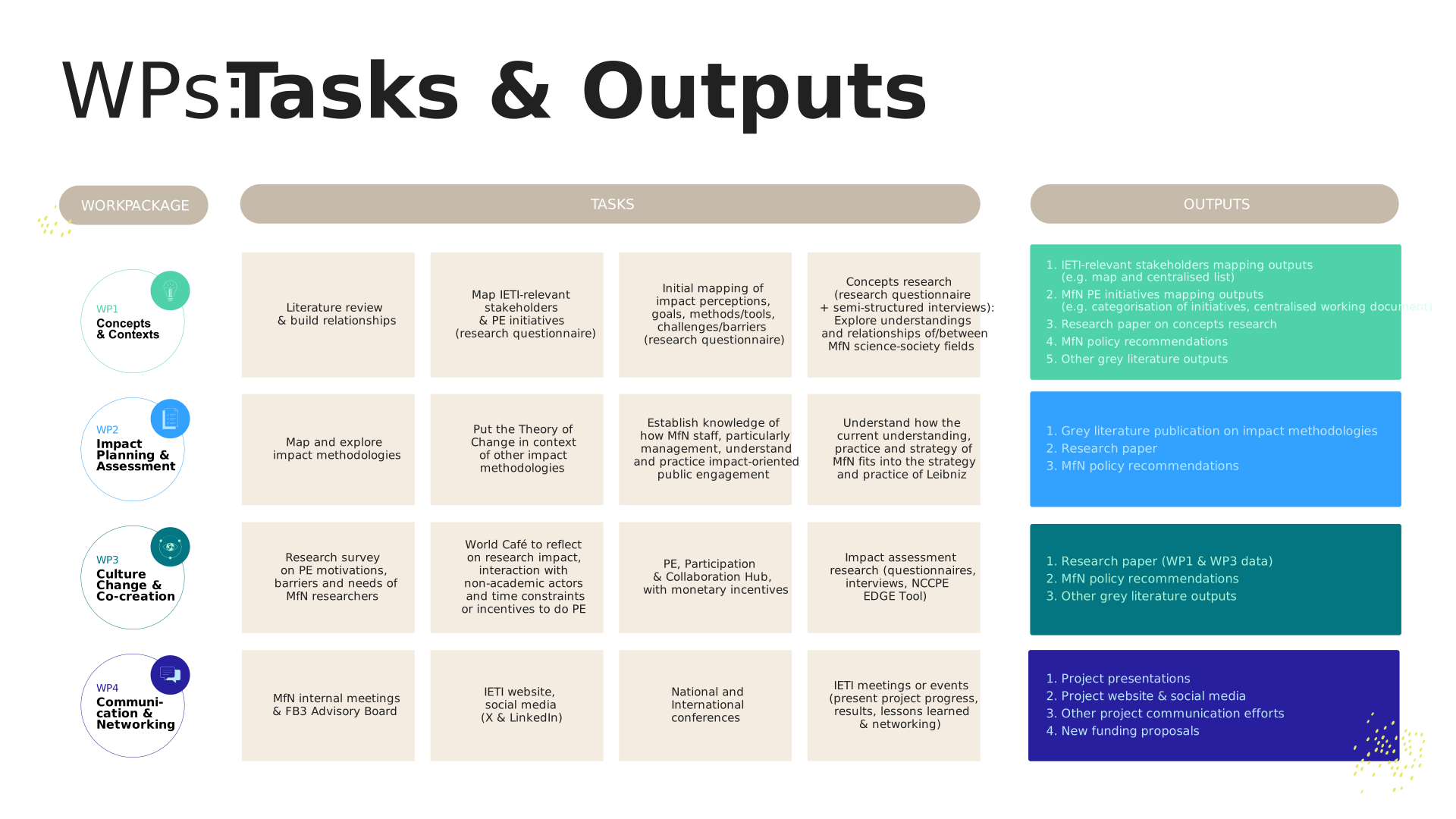
IETI combines research, impact planning and assessment methodologies, as well as culture change and co-creation processes to optimise the impact of Museum für Naturkunde Berlin’s research and Public Engagement.
IETI’s research and practice are divided into three work packages:

Work package 1. Concepts & Contexts: Focuses on the mapping of stakeholders and public engagement (PE) initiatives, as well as initial perceptions of impact and practice. It also explores relevant concepts and frameworks.

Work package 2. Impact Planning & Assessment: Explores how MfN understands, practices, and evaluates its institutional and social impact. The goal is to develop tools for institutional self-evaluation and to promote reflexivity within institutions.

Work package 3. Culture Change & Co-creation: Examines MfN researchers' motivations, barriers, and needs regarding PE, and explores effective integration of PE, participation, and societal needs into MfN's research, including ways to recognize and incentivize researchers’ involvement in PE.

IETI will generate multiple research and practice outputs, recommendations on how to optimise the impact of the Museum für Naturkunde Berlin, several impact and culture change initiatives, practice reports for Public Engagement practitioners and professionals, and research articles for the academic community.

The project’s work is aligned with the UN Sustainable Development Goals 14 (Life Below Water) and 15 (Life on Land).


Our team

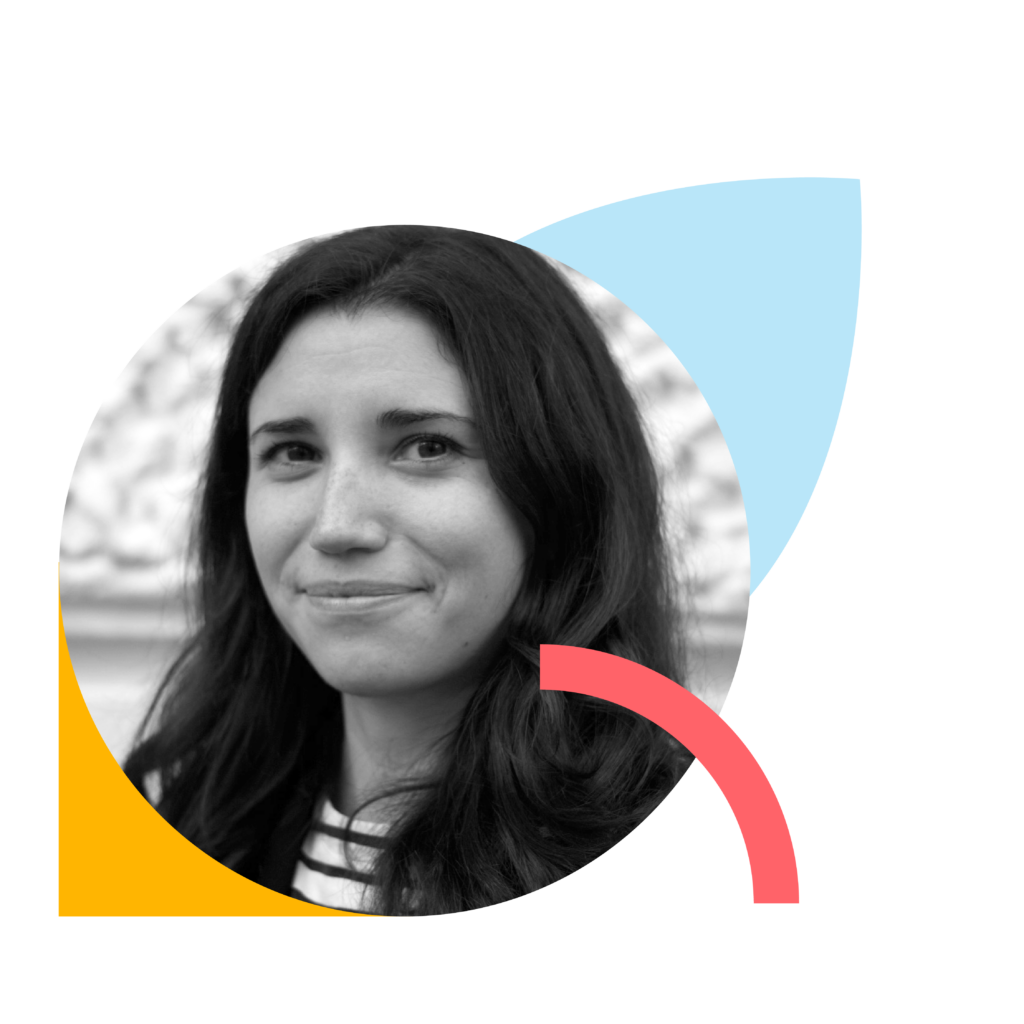
Dr Ana Faustino

IETI Lead

Konstanza Jochim

IETI Project Manager & Research Associate

“With IETI, we have the opportunity to further align museum’s research and public engagement with societal needs and meaningful impact. This involves fostering lasting culture change within the institution and embedding impact-oriented thinking into everyday practice. Through participation and co-creation with diverse stakeholders and incentive-based approaches, we enable research to become more inclusive, responsive, and transformative.”

Ana leads the strategic development, coordination, and management of the IETI project, including team leadership, project governance, funding, partnerships, and the IETI Hub for Research Impact. She also serves as the IETI Principal Investigator, leading all action research and impact research initiatives developed under the IETI project. Ana is a senior project lead and researcher with over nine years of experience working at the intersection of science and society. She has contributed to European, Portuguese, and German institutions and projects, applying action research, participatory, transdisciplinary, co-creation, multi-stakeholder, capacity-building, and impact-oriented approaches to promote change.

Konstanza Jochim

IETI Project Manager & Research Associate

“I am convinced of the importance of multidisciplinary and inclusive approaches to addressing global challenges and fostering sustainable change. By promoting public engagement processes in research, we have the opportunity to encourage an impact-oriented dialogue between the scientific community and societal actors, in order to better align research with the needs of society.”

Konstanza manages the IETI Hub for Research Impact, overseeing programme operations and leading the strategic design of participatory and transdisciplinary initiatives that enable researchers to develop meaningful science–society connections and enhance the societal impact of their work. Her work combines programme development and implementation with action research on the effectiveness of participatory processes for research careers and science–society engagement. With a background in needs-oriented innovation design, she previously coordinated international, multi-stakeholder research and cooperation projects at the intersection of innovation, participation, and sustainability, in collaboration with institutes across Africa, Asia, and Europe.